



I recently had the opportunity to meet with the CEO and CFO of VICI Properties at REIT Week in NYC.
VICI is one of our favorite REITs of all time. Its CEO, Edward Pitoniak, even wrote the foreword of my new book, The REIT Advantage, which was recently published. (Members of High Yield Landlord can get it for free by clicking here)


Earlier this year, we bought VICI for our Retirement Portfolio after its share price dropped to a level that we thought had become very compelling for income focused investors.
At the time, VICI was trading at just around 11.5x AFFO and offered a dividend yield of 6.5%.
This was unusually attractive for a REIT that has become much safer over time as a result of its larger scale, better diversification, investment-grade balance sheet, and perfect track record of 100% occupancy and 100% rent collection since inception.
The key point of our thesis is that VICI is not a traditional net lease REIT.
Most net lease REITs own relatively generic properties, such as pharmacies, dollar stores, restaurants, and convenience stores. These assets can be good investments, but they are often heavily competed for, easier to replicate, and far less mission-critical to tenants.
VICI is different.
It owns trophy casino and experiential real estate, much of it in supply-constrained markets like the Las Vegas Strip. These assets are far harder to replicate because they require licenses, huge amounts of capital, specialized operating expertise, and irreplaceable locations.
They are also more mission-critical to the tenants. A tenant can often move a dollar store across the street, but it cannot simply replace Caesars Palace, the Venetian, MGM Grand, or Mandalay Bay.
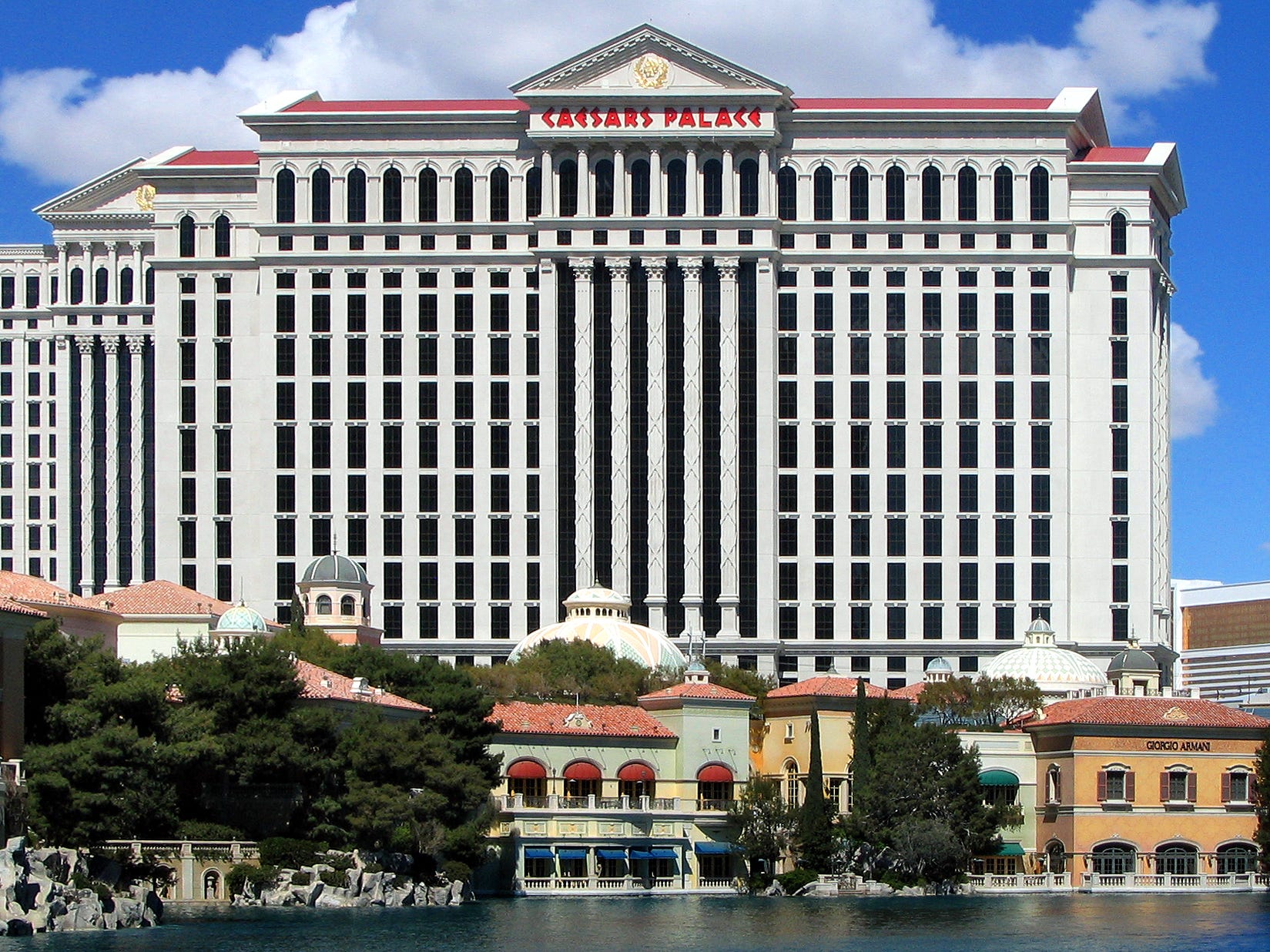
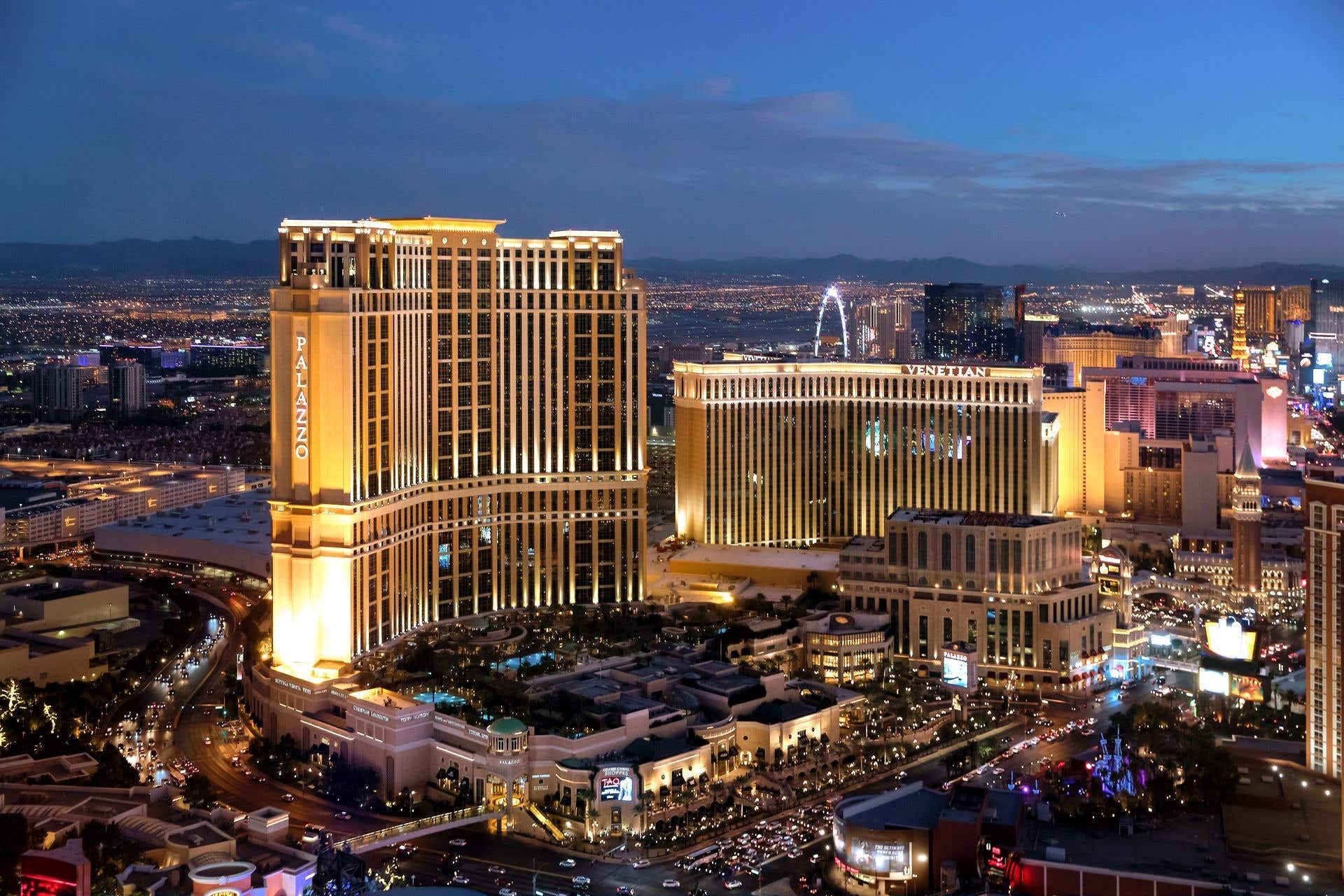
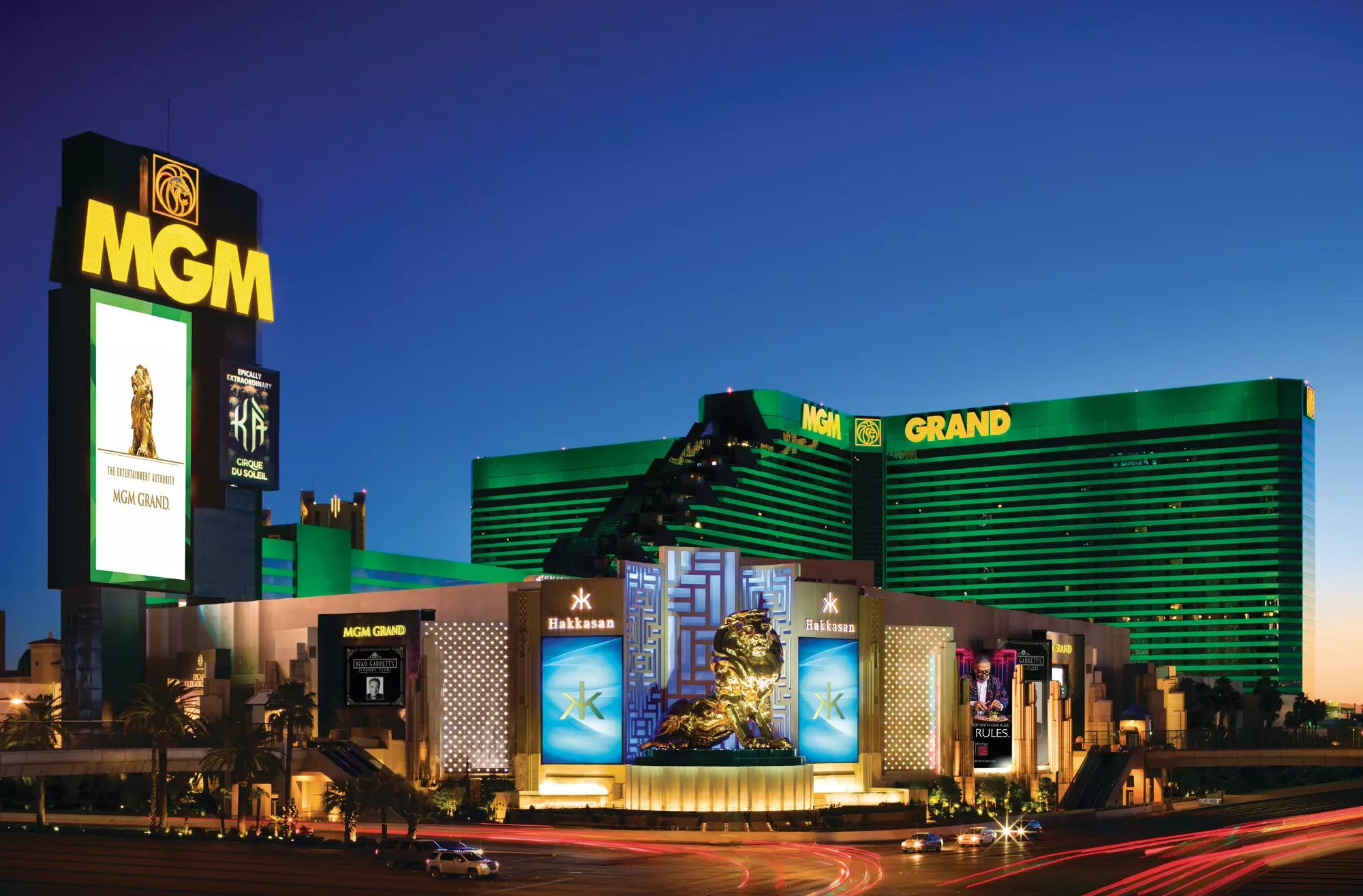
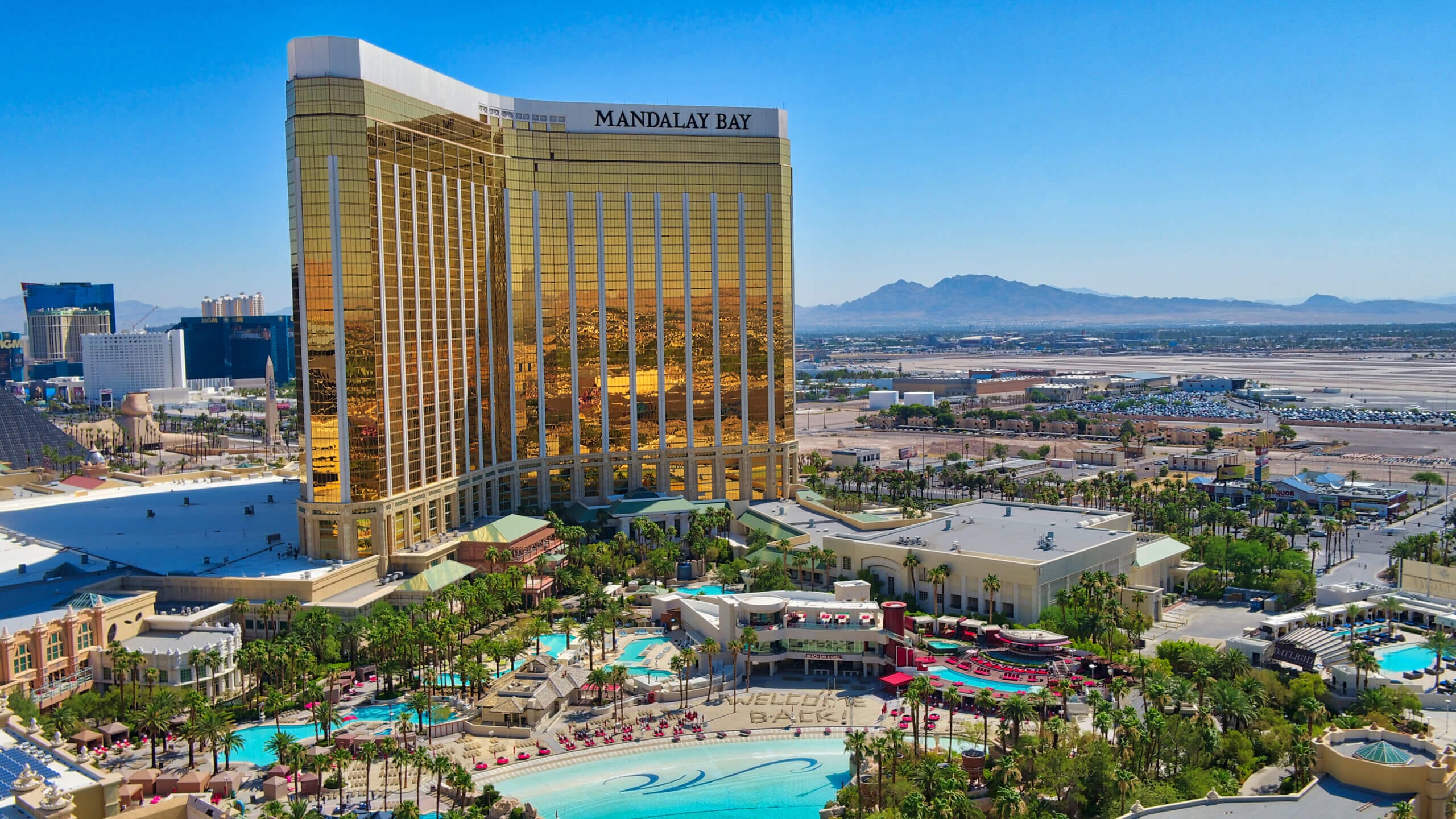
This is why VICI has been able to secure unusually long leases, roughly 40 years on average, with strong master lease protections, CPI-linked rent escalators, and tenant reinvestment requirements.
In short, we believe that VICI owns some of the highest quality real estate in the net lease sector, but the market continues to value it at a discounted multiple because of concerns over tenant concentration and certain regional casino assets.
This latest meeting was valuable because it directly addressed some of these concerns.
The biggest news was the major M&A activity involving its two largest tenants.
Caesars Entertainment (CZR) announced that it would be acquired by Fertitta Entertainment, and MGM Resorts (MGM) received a go-private proposal from Barry Diller’s People Inc., formerly IAC.
This is very material to VICI because Caesars and MGM are its two largest tenants, together representing roughly 70% of its rental income.
Naturally, this is what we discussed for most of the meeting.
Is this good or bad news for VICI as the landlord?
So far, the market appears to view it as neutral.
VICI’s stock has not reacted much in either direction.
But management views it very differently. They see it as overwhelmingly positive. After reflecting on the meeting, I think they are probably right.
A Huge Vote Of Confidence In VICI’s Real Estate
The first point management made is that these potential acquirers are highly sophisticated players.
They are not making small passive investments. They are making huge bets, involving tens of billions of dollars, on the operators that control VICI’s real estate.
This is a major vote of confidence in the casino sector at a time when sentiment is weak. But more importantly for us, it is also a vote of confidence in the quality and value of VICI’s real estate.
The market has recently been worried about slowing Las Vegas visitation, weaker regional casino performance, consumer pressure, and tenant credit risk.
But while the public market worries, sophisticated strategic buyers are looking to acquire the operators.
That tells you something. It suggests that private market buyers see long-term value where public market investors currently see risk.
This is especially relevant because VICI is the landlord behind many of these assets. If the assets were truly impaired, it is hard to imagine sophisticated buyers making such large bets on the operators that depend on them and are on the hook for the multi-decade lease liability.
Better Operators Could Make The Assets More Valuable
The second point is that these potential buyers are not simply financial sponsors looking for a quick trade.
They are highly experienced operators and strategic investors with significant scale and long successful track records of value creation in gaming, hospitality, and entertainment.
They would not pursue these transactions unless they believed that they could create value. That value creation could come from better management, better capital allocation, better renovations, better cross-selling, and better long-term planning.
This matters to VICI because the stronger and more profitable the operators become, the safer VICI’s rent becomes.
One point that stood out to me is that Caesars and MGM have been public companies, and public companies are often forced to manage around quarterly results, stock market sentiment, and analyst expectations.
This can lead to short-term decision-making. It can also discourage long-term reinvestment if the market is not immediately rewarding it.
Private ownership can change that. A private owner can think more like a long-term operator. It can invest through cycles, renovate properties, improve operations, and make decisions that may not help next quarter’s earnings, but could create more value over time.
That could be very good for VICI as it owns the real estate. If the properties become better operated, better maintained, and more profitable, the long-term security of VICI’s cash flow improves.
Management also discussed the potential for more cross-selling opportunities across larger combined platforms. That could further improve property-level performance.
