REITs have suffered one of the worst five-year stretches in their history.
First came the pandemic, which created huge uncertainty over rents, occupancy, tenant health, and the future of many property sectors.
Then came the ultra-low interest rate period that followed the pandemic, which encouraged a lot of new development and eventually led to oversupply in sectors like apartments, self-storage, life science, and industrial.
Finally, interest rates surged at the fastest pace in decades, putting pressure on valuations, increasing financing costs, and crushing market sentiment.
At the same time, capital moved away from REITs and into the hottest trade of the moment: tech stocks and AI.
As a result, REITs significantly underperformed the broader market.
Lots of REITs lost a lot of value, and some of our own investments have also performed poorly in recent years
One of the most painful examples today is Alexandria Real Estate (ARE). We remain down more than 50% from our cost basis, and that is obviously frustrating.
But we have not lost hope, and neither should you. The most important skill in REIT investing is patience and discipline.
REITs are real estate businesses. Their cash flows, leases, assets, development pipelines, and balance sheets play out over many years. But the stock market reprices them every second, often based on fear, greed, and short-term narratives.
This creates volatility, but it also creates opportunity. The key is to think like a landlord, not a trader. In today’s article, I am going to remind you of some examples from our portfolio, hoping that this will help you stay calm and focus on the long-term potential. I will at the end also get back to the case of Alexandria Real Estate (ARE).
The Market Often Gets It Wrong
Publicly traded REITs can be extremely volatile.
This often surprises investors because the underlying assets are typically much more stable than the share prices.
An apartment building does not lose 50% of its value in a few months.
A self-storage facility does not suddenly become worthless because interest rates moved higher.
A well-located mall does not go from being worth $30 per share to $5 per share and then back to nearly $30 per share in just a few years because the real estate itself changed that much.
What changes is sentiment.
The market is not perfectly efficient. In fact, the market often has no idea how to value REITs, especially during periods of stress.
This is why patience and discipline are so important.
If your long-term thesis remains intact, the worst thing that you can do is to panic sell at the bottom. Instead, the better approach is to recheck the long-term thesis, focus on the real estate, and keep accumulating if the long-term opportunity remains compelling.
We have done this many times in the past, and it has been a major driver of our returns.
Helios Towers: A 50% Drop That Turned Into A Huge Win

Helios Towers is probably the best recent example.
We first invested in Helios in November 2022 at 120.9p per share.
At the time, we thought that the market was undervaluing the company. It owned essential infrastructure assets in Africa, demand for mobile data in the region was growing rapidly, and the company had a long growth runway ahead of it.
But the market did not agree with us at first.
The share price kept dropping.
We bought again at 94.35p.
Then again at 87.30p.
Then again at 73.65p.
Finally, we bought again at 60.30p.
From our first purchase price, the stock had dropped by roughly 50%.
That was painful. It would have been easy to lose confidence, assume that the market knew something that we did not, and sell at the bottom.
But we did not.
We rechecked the thesis, concluded that the long-term opportunity remained intact, and kept accumulating more while the stock was hated.
That discipline made all the difference.
Today, Helios has become one of our biggest winners. We just recently sold some at 241p, earning us an average total return of roughly 176% on our purchases.
This is the type of investment that looks obvious in hindsight, but it was not obvious while we were living through it.
At the bottom, the market was telling us that we were wrong.
But in reality, it is the market that was wrong. The business continued to execute, the balance sheet fears eased, and the stock recovered strongly.
If we had sold when the stock was down 50%, we would have locked in a painful loss. Instead, by focusing on the underlying business and continuing to buy at lower prices, we turned a painful drawdown into a huge win.
That is the power of patience and discipline.
EPR Properties: Buying Through The Panic
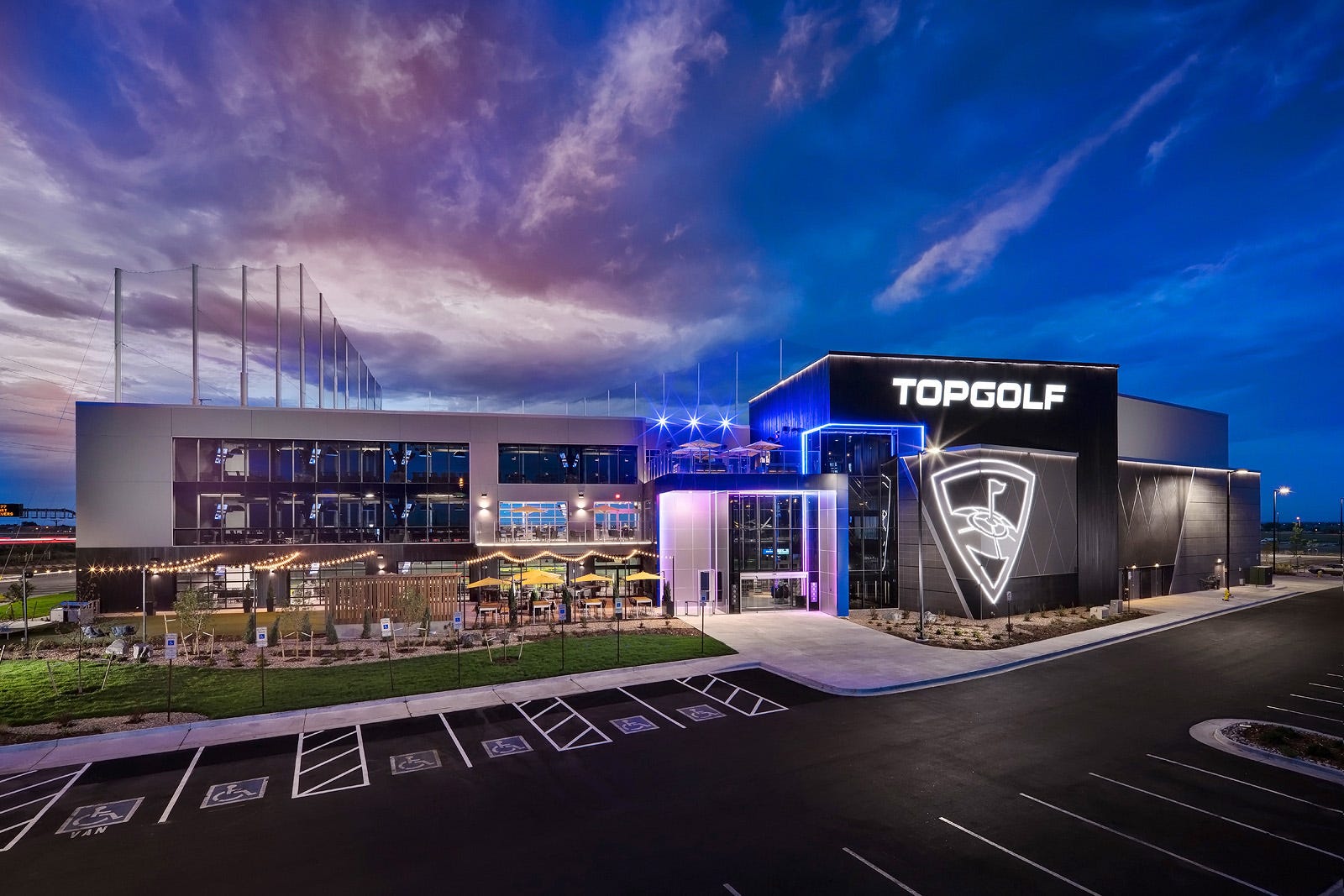
EPR Properties is another great example.
We started investing in it too early.
Our first purchase was $66.20 in 2018. We then bought more at $78.73, $73.38, $70.72, and $67.83.
Then the pandemic hit.
Movie theaters closed. Experiential real estate became one of the most hated sectors in the entire REIT market. Investors feared that theaters, attractions, and other experiential properties would never recover.
The stock collapsed.
At one point, we were buying more at just $16.59 per share.
That was a brutal drawdown.
Many investors gave up.
But we kept accumulating because we believed that the market was overreacting. EPR had real challenges, but we did not think that its properties were permanently impaired.
We bought again and again, eventually making 32 transactions, with an average purchase price of about $46.06.
Today, EPR has recovered strongly, and what once seemed like a catastrophic investment has turned into a pretty good one, all things considered. We earned significant dividend income and ultimately sold our position for about $60 per share, resulting in outperformance relative to the broader REIT market (VNQ).
But it only worked because we remained patient during the worst part of the cycle. If we had sold when sentiment was at its lowest, we would have locked in a major loss.
Instead, we kept buying the dips, lowered our cost basis, and allowed time to work in our favor.
Macerich: From Disaster To Major Recovery
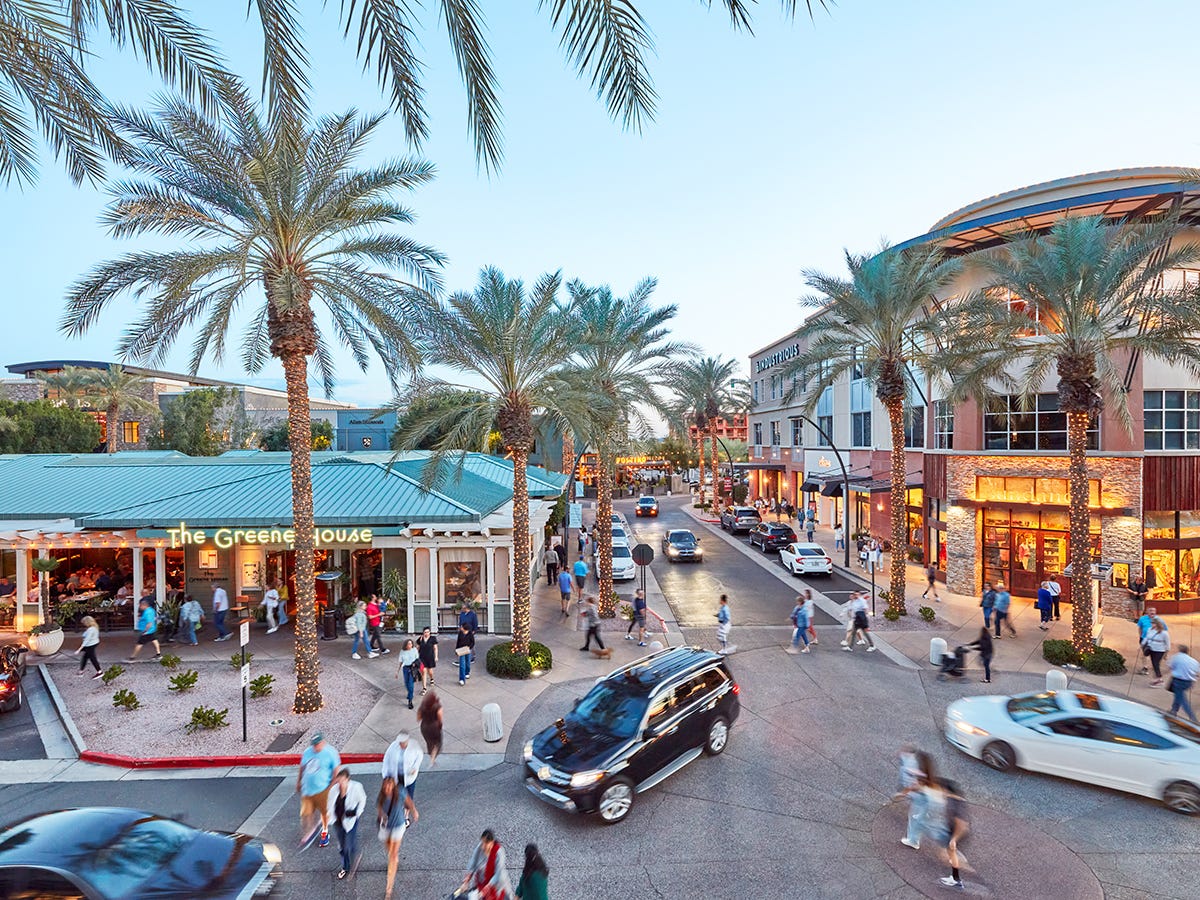
Macerich may be the clearest example of how inefficient the market can be.
We first bought it at over $40 per share.
Then it collapsed all the way to about $5 at the lowest point of the pandemic.
If the market were perfectly efficient, this type of move should not happen unless the underlying business had permanently deteriorated to a similar degree.
But that is not what happened.
The market panicked.
Malls became hated. Leverage became feared. Investors assumed the worst.
But the assets were still there, and most rents were still being collected.
The balance sheet needed work, but the company had time.
We did not lose faith. We kept accumulating, and today our cost basis is only about $8 per share.
The stock has already recovered to roughly $25, and when including dividends, this has become another huge win for us.
Again, this was not easy.
It required patience and discipline.
And it required us to trust our analysis rather than letting the market tell us what to think.
Alexandria Could Become A Similar Story