



While 2025 was another challenging year for REIT investments, it also produced some standout opportunities. Market sentiment remained fragile, and valuations continued to reflect a great deal of macro uncertainty. In that environment, a small number of positions delivered outsized returns and made a meaningful contribution to overall portfolio performance.
After reviewing our biggest disappointments of the year, it is equally important to examine what went right. Not to celebrate individual wins, but to better understand which parts of our process worked, which assumptions proved correct, and which characteristics tend to define successful investments during difficult market conditions.
The following three investments were our biggest winners of 2025. Each benefited from different catalysts and business dynamics, but they also shared several important common traits that are worth highlighting.
Helios Towers (HTWS)
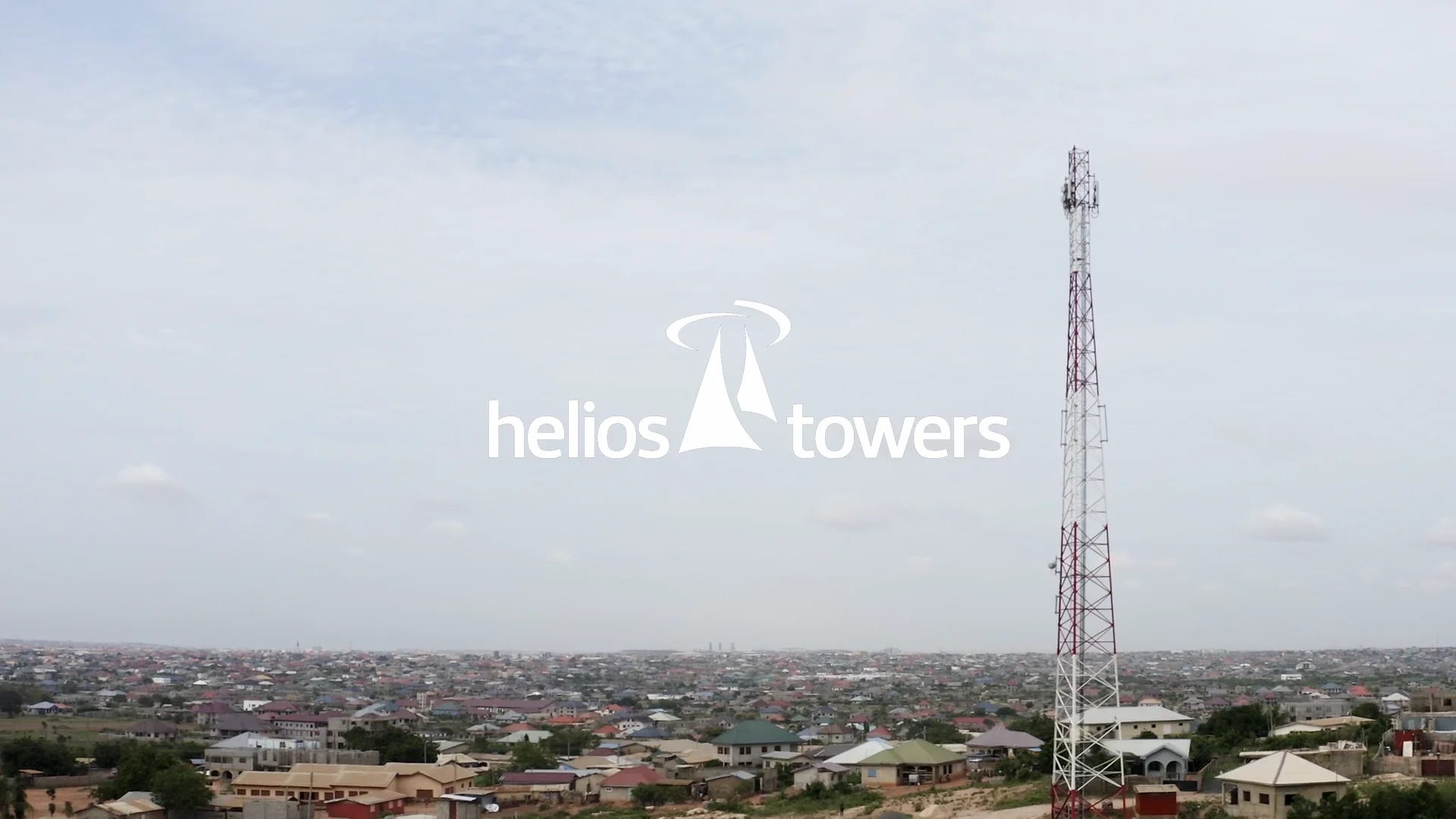
Helios Towers was one of our strongest performers of 2025, with the stock more than doubling over the year. Because it was one of our largest positions, this move materially contributed to overall portfolio returns.
The performance was not the result of speculative enthusiasm or multiple expansion alone. It was driven by accelerating organic growth, improving free cash flow generation, declining leverage, and growing confidence in management’s capital allocation framework. Helios also hit several of its medium-term operational targets earlier than expected, which pulled forward investor confidence and reduced perceived execution risk.
In short, the stock worked because the business delivered.
What the Market Missed
Most investors still approach African real estate with a very blunt framework. They associate the continent with traditional property sectors such as retail, offices, or residential assets, often leased to small local tenants and denominated in volatile currencies. That bias has led many to dismiss African REITs altogether.
Helios Towers is fundamentally different. It owns mission-critical digital infrastructure rather than discretionary physical space. Mobile data usage across its markets is growing at a pace far exceeding GDP or population growth, driven by smartphone adoption, mobile banking, digital payments, streaming, and enterprise connectivity.
More than 70% of Helios’s EBITDA is denominated in hard currencies, primarily U.S. dollars. Nearly all revenue comes from large, multinational telecom operators under long-term contracts with inflation protection. In addition, the company has over $5 billion of already contracted future revenues, more than twice its current market capitalization.
The market was pricing Helios as a risky African landlord when in reality it more closely resembles a global infrastructure platform with unusually strong revenue visibility.
What Changed
During 2025, Helios decisively closed that perception gap. Organic growth remained strong as additional tenants were added to existing towers at very high incremental returns. Leverage declined to conservative levels, reducing financial risk and increasing strategic flexibility.
The major turning point was the introduction of the company’s IMPACT 2030 strategy. Management outlined a clear five-year plan to generate more than $1.3 billion of cumulative recurring free cash flow, while returning over $400 million to shareholders through dividends and share buybacks. That represents roughly 20% of today’s market capitalization.
Equally important, Helios committed to initiating dividends, even if modest at first, with a clear growth trajectory. This marks a transition from a pure growth story to a compounder with visible shareholder returns, broadening its appeal to a much wider investor base.
Key Lesson
Helios Towers reinforces an important principle in our investment process: geography often matters far less than asset quality, tenant quality, and capital discipline.
Emerging markets can offer exceptional long-term opportunities when assets are essential, revenues are hard-currency based, tenants are global, and management incentives are aligned with shareholders. When those conditions are met, structural growth can persist for decades, and valuations can rerate meaningfully. Vesta REIT (VTMX) is another great example of that.
Helios was not just a lucky trade. It was a reminder that the best opportunities often sit at the intersection of strong fundamentals and widespread investor skepticism.
Helios also reinforces why we continue to dedicate significant time and resources to international research. We regularly travel abroad to study local markets firsthand, meet industry participants, and identify opportunities that are often overlooked by global investors. This is one of the areas where we believe High Yield Landlord can add the most value, as many international REITs remain under-researched, poorly understood, and inefficiently priced compared to their US counterparts.
International Workplace Group (IWG / IWGFF)

International Workplace Group was our single largest holding throughout 2025, and it delivered accordingly. The stock rose sharply off its lows as the company finally began to demonstrate tangible financial results from a transformation that had been years in the making.
The key driver was the acceleration in fee income from its capital-light managed space model. During the year, IWG reported triple-digit growth in this segment, alongside a surge in new signings as it expanded its global sales force. In a single quarter, the company signed more than 300 new management agreements, an extraordinary number relative to its existing footprint of roughly 4,000–5,000 locations.
This marked a clear inflection point. What had long been a theoretical transformation started showing up in reported numbers, and the market responded.
What the Market Missed
For years, IWG was viewed through the lens of the old coworking model: capital-intensive, cyclical, and associated with the excesses that ultimately sank WeWork. That perception lingered even after IWG fundamentally changed its business model.
What the market underestimated was the quality of IWG’s new revenue stream. Management agreements generate recurring, high-margin fee income with no lease liabilities, minimal capital requirements, and strong scalability. This makes the business far more resilient and valuable than traditional leased office operations.
At the same time, investors continued to treat flexible office space as a niche product, rather than recognizing it as a structural solution to a rapidly changing labor market. The result was a valuation that implied weak growth and high risk, despite clear evidence to the contrary.
What Changed
Two things changed decisively in 2025.
First, the scale of the transformation became undeniable. IWG’s managed locations signed over the prior two years began to mature and contribute meaningfully to cash flow. Fee income surged, margins expanded, and leverage declined rapidly. The company moved closer to its long-term target of a 1x Debt-to-EBITDA ratio, paving the way for aggressive share buybacks.
Second, artificial intelligence emerged as an unexpected accelerator. AI is reshaping white-collar work faster than most anticipated, compressing job roles and making long-term workforce planning increasingly difficult. In that environment, committing to a 10-year office lease is no longer rational for many companies.
IWG’s value proposition, flexibility, global reach, and on-demand office solutions, fits this new reality perfectly. As uncertainty around future headcounts rises, demand for short-term, scalable workspace increases. That shift strengthened IWG’s competitive position and reinforced the durability of its growth runway.
Key Lesson
IWG reinforces the importance of identifying business model inflection points before they are fully reflected in reported results.
The company spent years repositioning itself away from a capital-intensive leasing model toward a capital-light, fee-based platform. For a long time, the market ignored that shift. Once cash flows began to inflect, sentiment changed rapidly.
It also highlights how technological disruption does not always destroy demand, but often reallocates it. While traditional office landlords face mounting pressure, flexible workspace providers like IWG stand to benefit as companies prioritize optionality and adaptability.
Finally, this investment underscores why patience matters. IWG first declined after our initial purchase, but eventually the market recognized the transformation and its stock recovered.
IWG remains today our largest holding, and we continue to view it as one of the most compelling long-term opportunities going into 2026.
Patria Investments (PAX)
CSOB
Patria Investments was one of our biggest winners of 2025 and remained one of our largest international holdings throughout the year. The stock has nearly doubled from its lows, driven by a combination of accelerating fundamentals and a meaningful shift in capital return policy.
The most visible catalyst was Patria’s decision to raise its dividend by 8.3% going into 2026, effectively marking the start of a clearer and more durable dividend growth framework. We had anticipated this policy shift earlier in the year and expected it to serve as a confidence signal to the market. That expectation proved correct, with the stock jumping sharply on the announcement and continuing to re-rate afterward.
At the same time, the underlying business delivered exactly what long-term investors want to see. Assets under management continued to scale rapidly, and fee-related earnings expanded at a healthy double-digit pace. Because Patria was such a large position for us, this combination of capital appreciation and rising income had a material impact on overall portfolio performance.
What the Market Missed
For much of its public life, Patria has been treated as a niche emerging-market asset manager, despite operating a diversified alternative investment platform with characteristics closer to a scaled-down Blackstone or Brookfield within Latin America.
The market underestimated several key dynamics.
First, it underestimated the durability and breadth of Patria’s fundraising engine. Even as global private markets fundraising slowed, Patria continued to raise capital at a strong pace, particularly in infrastructure, credit, and real estate strategies. The chaos across the world also led many investors to seek greater diversification, leading to greater demand for Latin American investments.
Second, it underestimated the quality and predictability of Patria’s earnings. A large share of its management fees are recurring, generated from long-duration institutional capital, and denominated in hard currencies. This gives Patria far greater earnings visibility than most investors appreciate.
Third, the market largely overlooked the acceleration of Patria’s real estate and REIT platform. Its listed real estate business has been gaining scale and is very well positioned to keep growing from here. This segment is becoming a more meaningful contributor to fee-related earnings and provides an additional growth lever that complements Patria’s private funds.
Finally, investors underestimated management alignment. Insiders own roughly 60% of the company, think like long-term owners, and have consistently prioritized balance-sheet strength, conservative leverage, and disciplined capital allocation over short-term optics.
What Changed
In 2025, the gap between perception and reality began to close.
Patria exceeded fundraising expectations, guided toward the high end of its targets, and expressed growing confidence in its multi-year outlook. Fee-related earnings continued to scale, leverage remained well below target levels, and net accrued performance fees built into a sizable future earnings tailwind.
Importantly, Patria’s real estate platform moved from being an underappreciated side business to a visible growth driver. Its REIT operations benefitted from improving capital markets conditions and rising investor demand for yield. As assets under management grew across listed and private real estate strategies, management fees followed.
At the same time, management made its capital return intentions clearer. The dividend increase was not about maximizing near-term yield, but about signaling confidence in sustainable, growing fee-related earnings. This marked Patria’s transition from a pure growth story into a long-term compounder that combines growth, income, and balance-sheet discipline.
Even after the rally, valuation remains reasonable. Patria still trades at a meaningful discount to US-listed alternative asset managers, despite faster expected growth, lower leverage, a growing REIT platform, and a dominant position in an underpenetrated region with greater barriers to entry.
Key Lesson
Patria reinforces several important investment lessons.
First, asset managers can remain mispriced for long periods when their story lacks a single obvious catalyst. In Patria’s case, the business had been compounding quietly for years. What changed in 2025 was visibility in capital allocation and dividend payments, not fundamentals.
Second, real estate platforms embedded within broader alternative asset managers can be powerful value drivers. As Patria’s REIT strategies scale, they provide stable, recurring fee income and additional diversification, strengthening the overall platform.
Finally, this investment highlights once again why we continue to invest significant time and effort into international research. We actively study markets outside the US, often traveling abroad and engaging directly with local operators, and this is ultimately what has given us the confidence to invest so heavily in a company like Patria.
Patria remains a core long-term holding for us. Even after a strong year, we believe the combination of scaling assets under management, accelerating REIT operations, conservative leverage, and a growing dividend provides an attractive risk-to-reward for patient investors.
Closing Note
Not every strong performer will remain a top opportunity going forward. Valuations change, narratives evolve, and future returns depend on new information rather than past performance. Some of these positions may continue to deliver attractive upside, while others may transition into more mature holdings with lower expected returns.
What matters most is not the individual outcome, but the process behind it. These winners reinforced the importance of buying mispriced assets with clear catalysts, maintaining patience through volatility, and remaining disciplined even when sentiment is negative.
Just as importantly, they remind us that periods of broad market weakness often create the conditions for the strongest long-term opportunities. As we move into 2026, our focus remains the same: identifying high-quality real assets trading at compelling valuations, with a clear path to long-term value creation and an attractive risk-to-reward profile.
Finally, please note that we have exceptionally posted this article without a paywall. If you found it valuable, consider joining High Yield Landlord for a 2-week free trial.
We expect to share a Trade Alert with our paid members tomorrow, and by starting your free trial today, you will also gain access to it. You will also get immediate access to my entire REIT portfolio, our exclusive REIT CEO interviews, and much more. We are the largest and highest-rated REIT investment newsletter online, with over 2,000 paid members and more than 500 five-star reviews.
We spend thousands of hours and over $100,000 per year researching the market for the most profitable investment opportunities, and we share the results with you at a tiny fraction of the cost.
Get started today - the first 2 weeks are on us:
Analyst’s Disclosure: I/we have a beneficial long position in the shares of all companies held in the CORE PORTFOLIO, RETIREMENT PORTFOLIO, and INTERNATIONAL PORTFOLIO either through stock ownership, options, or other derivatives. We also own a position in FarmTogether. High Yield Landlord® (’HYL’) is managed by Leonberg Research, a subsidiary of Leonberg Capital. All rights are reserved. No recommendation or advice is being given as to whether any investment is suitable for a particular investor. The newsletter is impersonal and subscribers/readers should not make any investment decision without conducting their own due diligence, and consulting their financial advisor about their specific situation. The information is obtained from sources believed to be reliable, but its accuracy cannot be guaranteed. The opinions expressed are those of the publisher and are subject to change without notice. We are a team of five analysts, each contributing distinct perspectives. Nonetheless, Jussi Askola, the leader of the service, is responsible for making the final investment decisions and overseeing the portfolio. We do not always agree with each other, and an investment by Jussi should not be taken as an endorsement by other authors. Past performance is no guarantee of future results. Our portfolio performance data is provided by Interactive Brokers and believed to be accurate but its accuracy has not been audited and cannot be guaranteed. Our portfolio may not be perfectly comparable to the relevant index. It is more concentrated and may at times use margin and/or invest in companies that are not typically included in REIT indexes. Finally, High Yield Landlord is not a licensed securities dealer, broker, US investment adviser, or investment bank. We simply share research on the REIT sector.
