




Quick Note:
At roughly 5,000 words, this is a long investment report. But I believe it will be worth your time because it takes a much deeper look at Tallinna Sadam’s valuation and the substantial upside that may be hidden in its land holdings.
I also recognize that this investment has been a disappointment so far. Tallinna Sadam has faced a series of major shocks: the pandemic hurt its port business, Russia’s invasion of Ukraine disrupted cargo activity, and the surge in interest rates weighed on its real estate development prospects. The latest war in Iran has only made the environment more challenging. However, we have put a great deal of work into reassessing the company, and, as I explain below, we believe the long-term investment thesis remains very compelling.
This analysis also benefits from a local, boots-on-the-ground perspective. I live in Tallinn, have other real estate investments here, and follow the property market very closely. This gives me a good understanding of the locations involved and the surrounding developments that are helping transform the waterfront.
I have also had the opportunity to meet with some of the leading local private equity real estate investment firms, including firms with an interest in this land and other development projects across Estonia. That familiarity with the market provides useful context for the assumptions and estimates discussed below.
My goal is to give you a comprehensive understanding of what the operating business and real estate could be worth, how that value might be unlocked, and the risks along the way. If you are looking to invest in the Baltics, Tallinna Sadam is, in my opinion, one of the most interesting opportunities available today.
Tallinna Sadam: Buying The Port And Ferry Business, Getting The Real Estate For Free
Tallinna Sadam is one of the most interesting hidden asset stories in the Baltic market.
At first glance, it looks like a fairly boring infrastructure company.
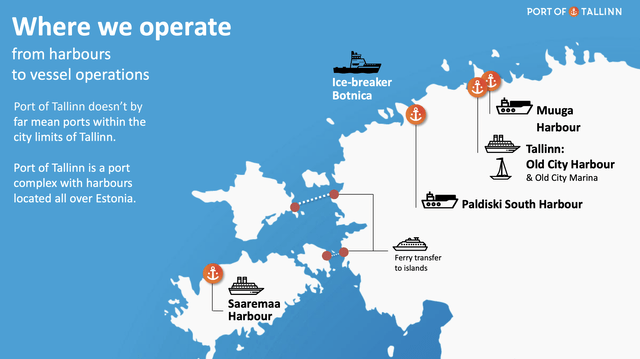
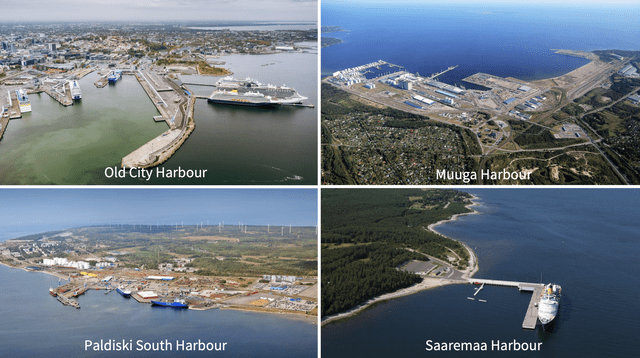
It owns and operates Estonia’s largest port system, including the Old City Harbour in central Tallinn, Muuga Harbour, Paldiski South Harbour, and Saaremaa Harbour. Its core port business earns revenue from passengers, cargo, vessels, land leases, and related services.
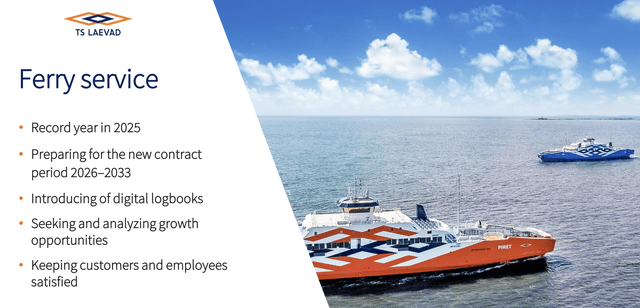
It also owns ferry operations through TS Laevad, which provides the essential ferry connections between mainland Estonia and the islands of Saaremaa and Hiiumaa, as well as Botnica, a multifunctional icebreaker and offshore support vessel.
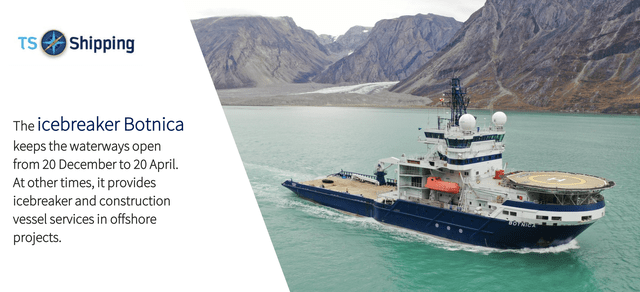
This is not a high-growth technology company. It is closer to an infrastructure- or utility-like business. The port assets are strategic, difficult to replicate, and important for Estonia. The ferry business is essential infrastructure, while Botnica adds another relatively defensive revenue stream.
The result is a company that should generate resilient cash flow over time, but without a particularly exciting organic growth profile.
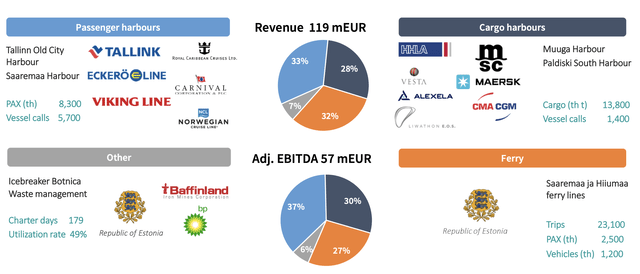
That is exactly why the opportunity exists.
The market appears to be valuing Tallinna Sadam largely as a mature port and ferry operator. But this ignores the fact that the company also controls a huge amount of exceptionally located waterfront real estate in central Tallinn.
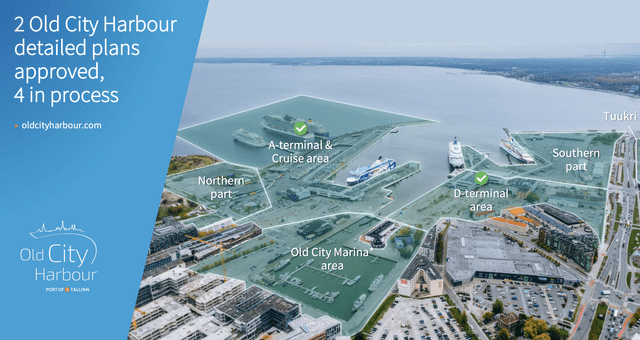
This is not secondary land on the edge of the city.
It is prime seaside property right next to Tallinn’s city center, Rotermann Quarter, Admiralty Basin, and the new Talsinki development project. I live here, so I am very familiar with these sites.
The thesis is therefore simple:
At today’s valuation, investors are buying a stable port, ferry, and icebreaker business at a reasonable valuation, while receiving a potentially very valuable waterfront real estate opportunity for little additional cost.
The Current Valuation
Tallinna Sadam is publicly listed on Nasdaq Tallinn under the ticker TSM1T.
Using a share price of €1.19, with 263 million shares outstanding, the company has a market capitalization of roughly €313 million.
The latest H1 2026 balance sheet shows net debt of approximately €146 million.
That gives us an enterprise value of roughly:
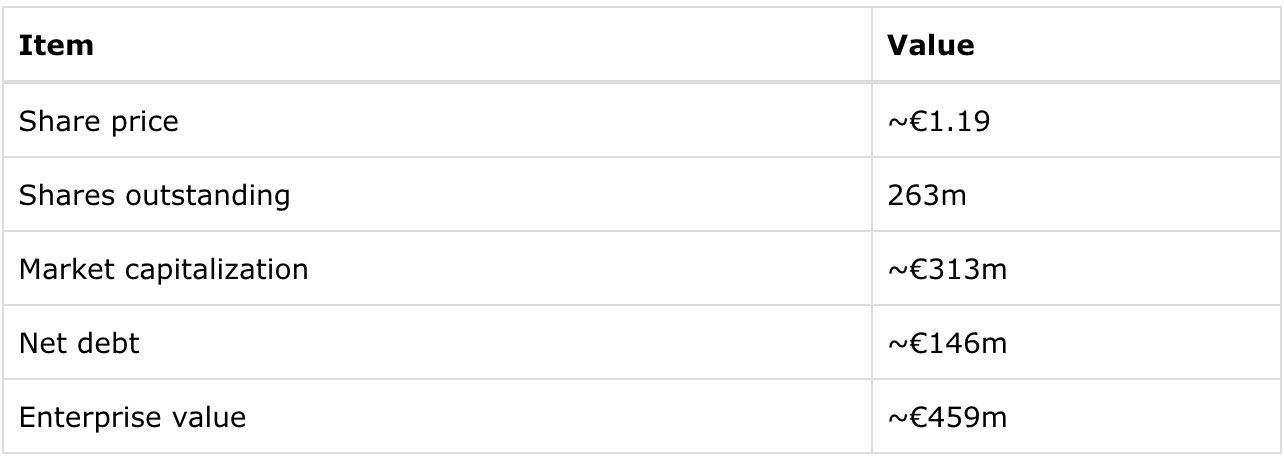
The latest results were somewhat weaker than in 2025.
For the first six months of 2026, Tallinna Sadam generated approximately:

For comparison, 2025 full-year adjusted EBITDA was €56.5 million. The latest annual report also confirms that Tallinna Sadam operates its ports under a landlord-port model, while separately operating the ferry and Botnica businesses.
Using the latest H1 results, trailing adjusted EBITDA is roughly €52–53 million.
This means the company currently trades at approximately:
€459m EV / €52.5m TTM EBITDA = ~8.7x EV/EBITDA.
That is not screamingly cheap for a mature infrastructure company, but not excessive either, and importantly, Tallinna Sadam is not just the operating business. The real estate is what makes the valuation interesting.
Why The Real Estate Is The Main Prize
The most important hidden asset is the Old City Harbour land bank.
Tallinna Sadam controls around 15 hectares of development land in the Old City Harbour area, with current planning implying roughly 300,000 m² of potential buildings. The broader Zaha Hadid Architects masterplan has referred to as much as roughly 400,000 m² of gross commercial and residential development volume.
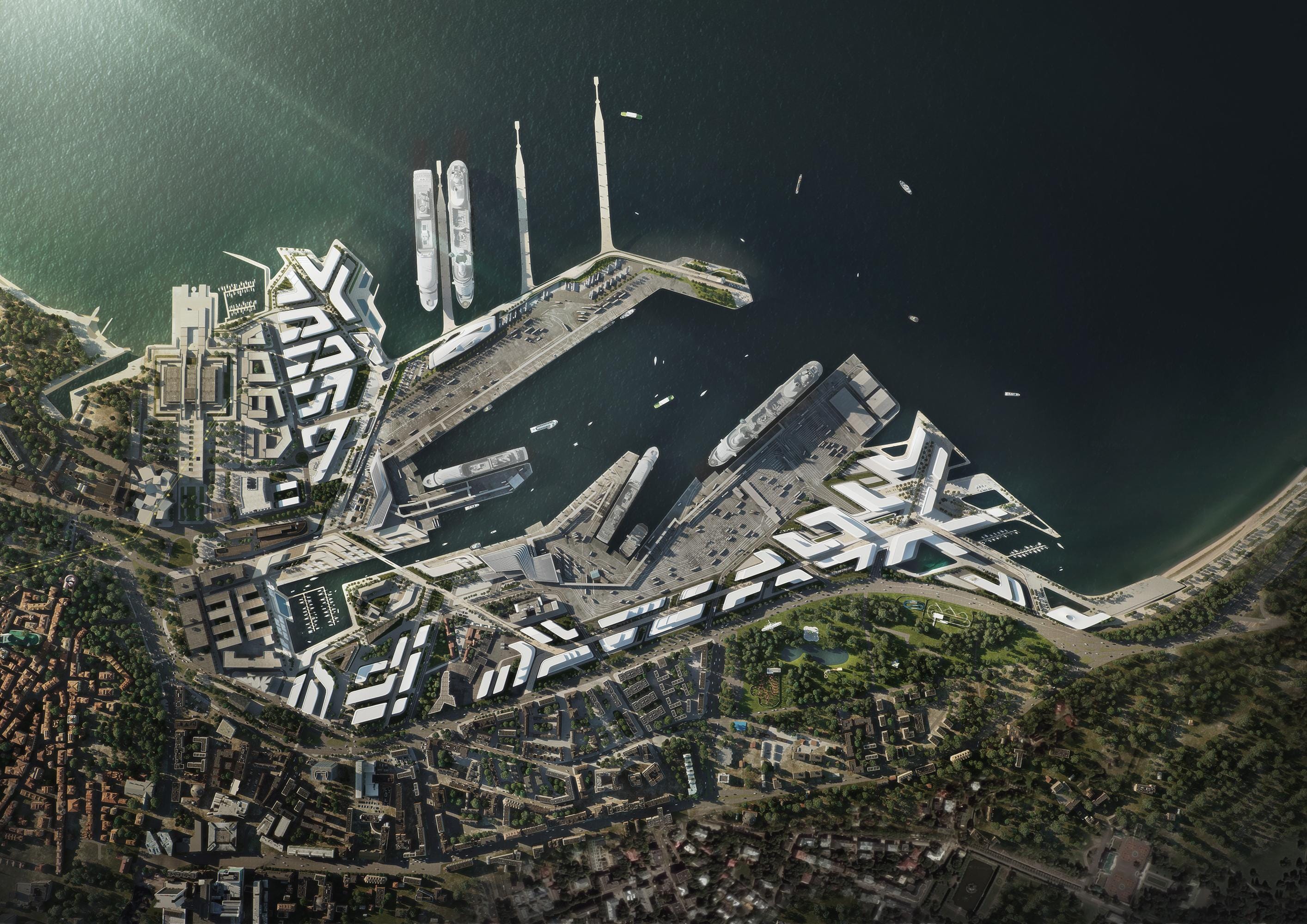
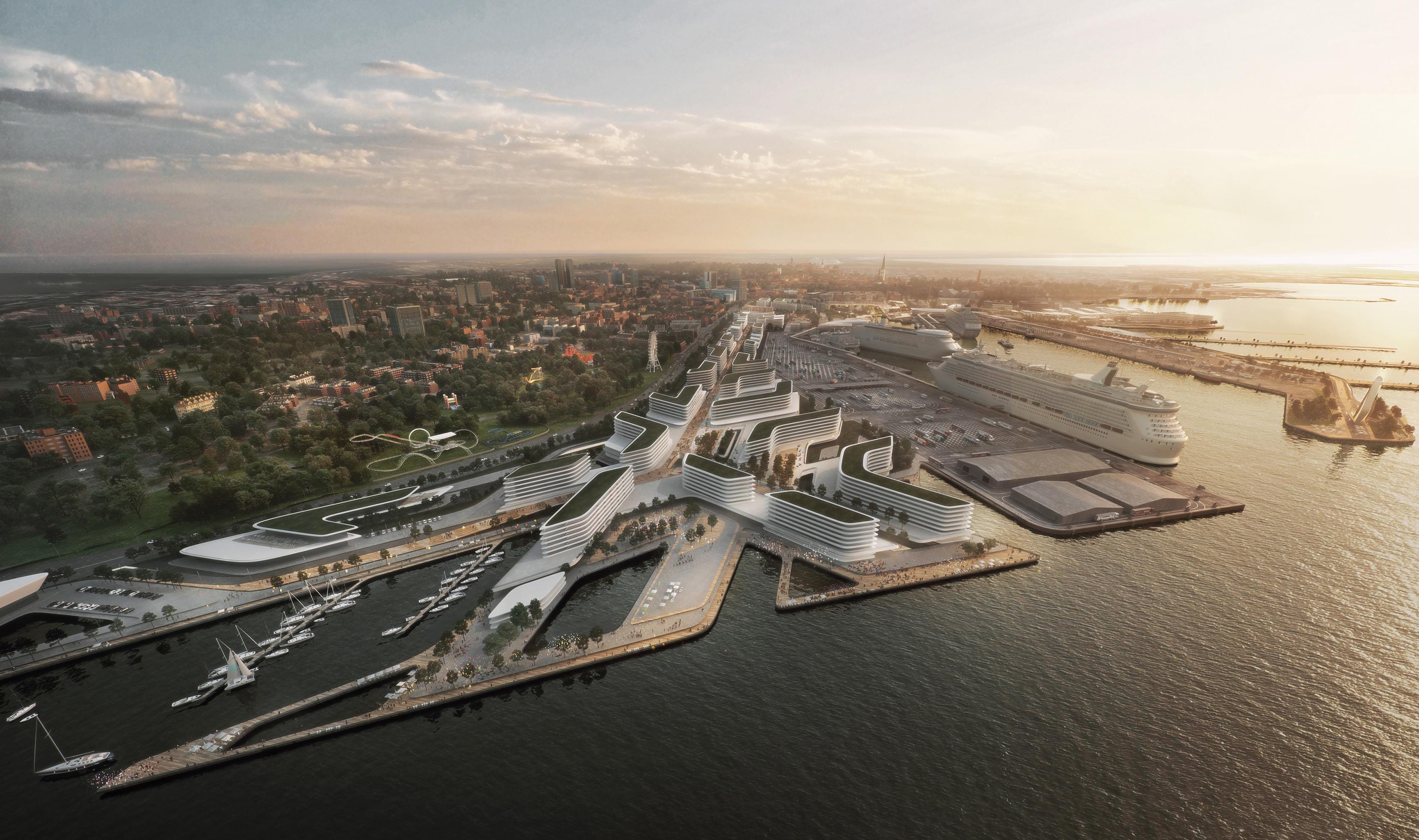
The key distinction is that the 300,000–400,000 m² figure is not the land area.
It is potential building volume.
That is what matters to a property developer.
Developers do not primarily ask:
How many square meters of land do I own?
They ask:
How many square meters can I build and ultimately sell or lease?
The economic value of development land is therefore driven by residual value.
Very simplistically:
Final property value – VAT – construction costs – infrastructure – financing – soft costs – contingency – developer profit = residual land value.
The apartment selling price is obviously not equal to the value of the land.
But higher apartment prices create substantially more residual value for the landowner.
And the closest comparable suggests that this location can support very high prices.
Talsinki Is The Best Comparable
The new Talsinki development is located immediately beside Tallinna Sadam’s land, next to the Admiralty Basin and Rotermann Quarter.
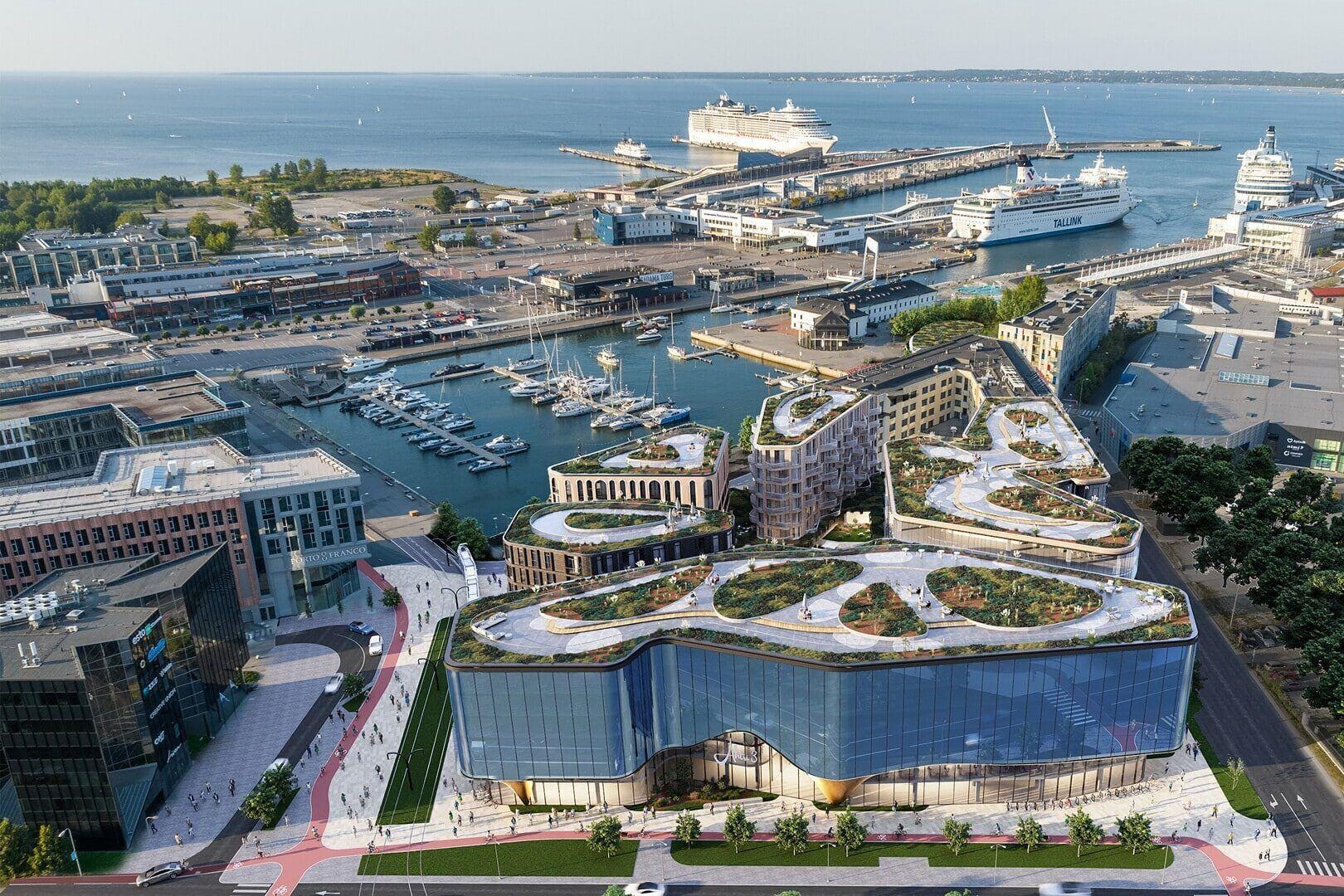
This is not a theoretical comparable from another part of Tallinn.
It provides direct evidence of what buyers are willing to pay for newly built premium apartments in essentially the same neighborhood.
Available apartments at Talsinki are currently marketed at roughly €8,000 to €11,000 per m², depending on the unit.
US Real Estate plans 138 apartments and around 33,000 m² of leasable commercial space at Talsinki, including approximately 20,000 m² of class A offices. Construction started in 2025, with completion planned in phases in 2028–2029.
The large regional bank, SEB, has already committed to moving its Baltic headquarters into the project.
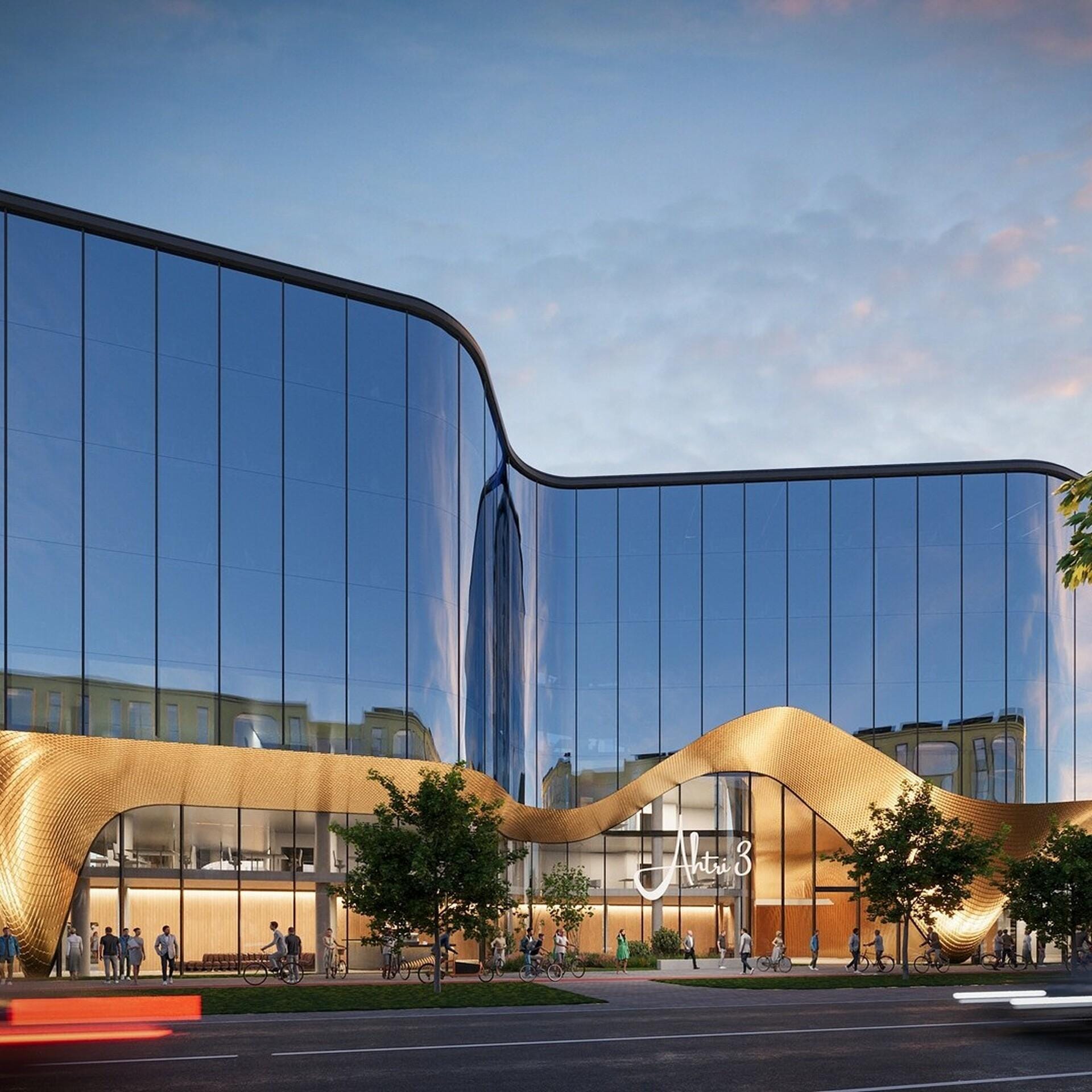
That is important beyond simply filling office space. It will bring a substantial daily working population into the immediate area, supporting restaurants, shops, services, and the broader demand for residential property. Talsinki is therefore helping transform the port district from an area people mostly pass through into a genuine extension of central Tallinn.
This makes average Tallinn apartment pricing the wrong comparable.
Talsinki is a much more relevant comparable. That does not mean every future Tallinna Sadam apartment will sell for €10,000–€11,000 per m².
The best Talsinki units may have superior layouts, terraces, or views. But it shows that the value of this land has become very significant.
The Delay Has Increased The Value
Investors have waited a long time for this real estate value to be unlocked.
The delay has understandably been frustrating.
Russia’s full-scale invasion of Ukraine significantly worsened the development environment in the Baltics. Geopolitical uncertainty increased. Energy costs rose. Interest rates surged. Financing became more expensive. Construction costs increased. Residential development activity slowed sharply.
Tallinna Sadam was effectively trying to unlock a massive development project at one of the worst points in the real estate cycle.
But the delay did not destroy the land.
During that time, the surrounding district continued to improve.
Rotermann expanded.
The Admiralty Basin became more established.
Golden Gate was developed.
Talsinki moved forward.
The entire waterfront increasingly began to feel like a natural extension of central Tallinn rather than an isolated port district.
The delay therefore pushed cash flows further into the future, but it may also have allowed the neighborhood to mature and prove substantially higher property values.
And now the project appears to be moving closer to actual execution.
