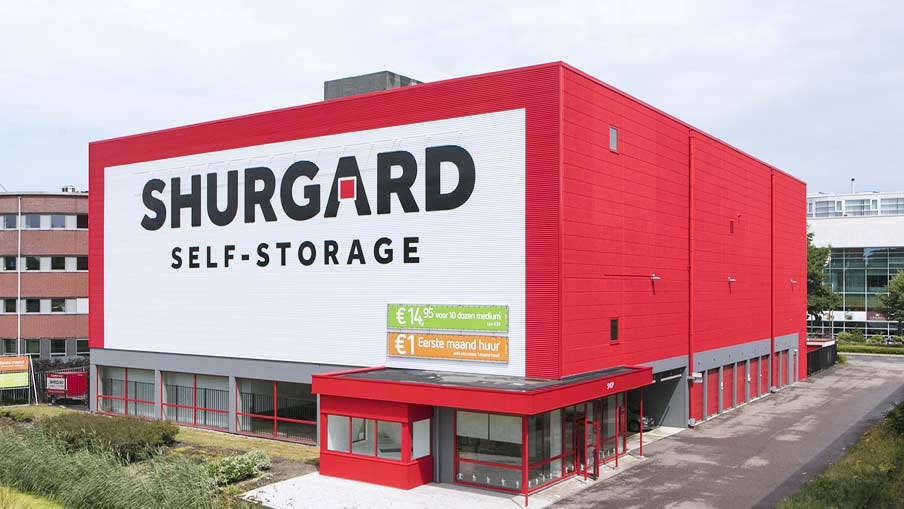
We are buying more shares of Shurgard (SHUR / SSSAF) following its roughly 10% drop after second-quarter results.

The results were disappointing.
The recovery in European self-storage is taking longer than we expected, and management materially reduced its 2026 guidance.
But after reviewing the numbers closely, we do not think the long-term thesis has changed.
If anything, the sharp decline in the share price has made the valuation even more compelling, and it also makes a potential eventual acquisition by Public Storage (PSA) increasingly interesting.
A Quick Recap Of The Investment Thesis
Shurgard is the leading self-storage platform in Europe.
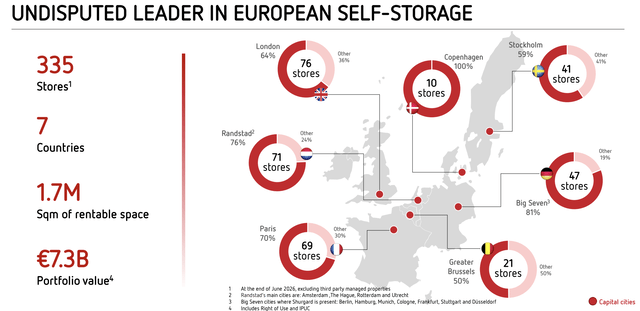
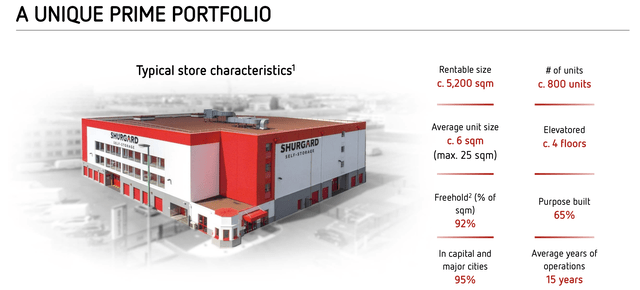
We have been bullish because European self-storage remains far less mature than the U.S. market.
The same basic demand drivers exist on both sides of the Atlantic: relocation, divorce, death, downsizing, renovations, home-office needs, and other life events that create a need for extra space.
But Europeans generally live in smaller homes and more urban environments, while the amount of self-storage space per capita remains only a fraction of U.S. levels.
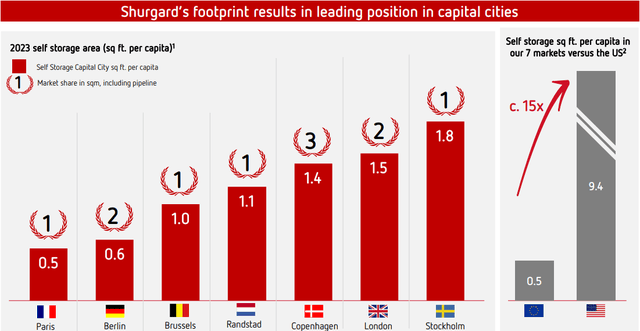
In other words, the demand drivers are already there, but the supply of professional self-storage remains much less developed.
We think this gives leading operators such as Shurgard a very long runway for new development, occupancy growth, and market consolidation, as the concept grows in popularity over time.
The problem over the past few years has been temporary oversupply.
The pandemic initially caused a boom in self-storage demand, encouraging developers to build aggressively. Much of that new capacity arrived from 2023 through 2025 just as pandemic-related demand normalized.
The result has been weaker pricing power and slower growth.
Our thesis has always been that this is a temporary normalization period rather than a structural problem with European self-storage.
We expected the recovery to become increasingly visible in 2026 and accelerate more meaningfully thereafter.
The latest results suggest that the recovery is happening, but unfortunately, it is taking longer than we expected.